

Air Space Intelligence
When a network executive or fleet commander needs to act, waiting for confirmation isn't an option. Air Space Intelligence builds software for that gap, and their platform runs on a core idea: By the time an event is confirmed, the best window to act has already passed.
When Air Space Intelligence came to us, their product had just undergone a significant overhaul. The software was sharper, more capable, more certain about what it could do. The brand still read as dark and reserved, a posture better suited to reaction than foresight.
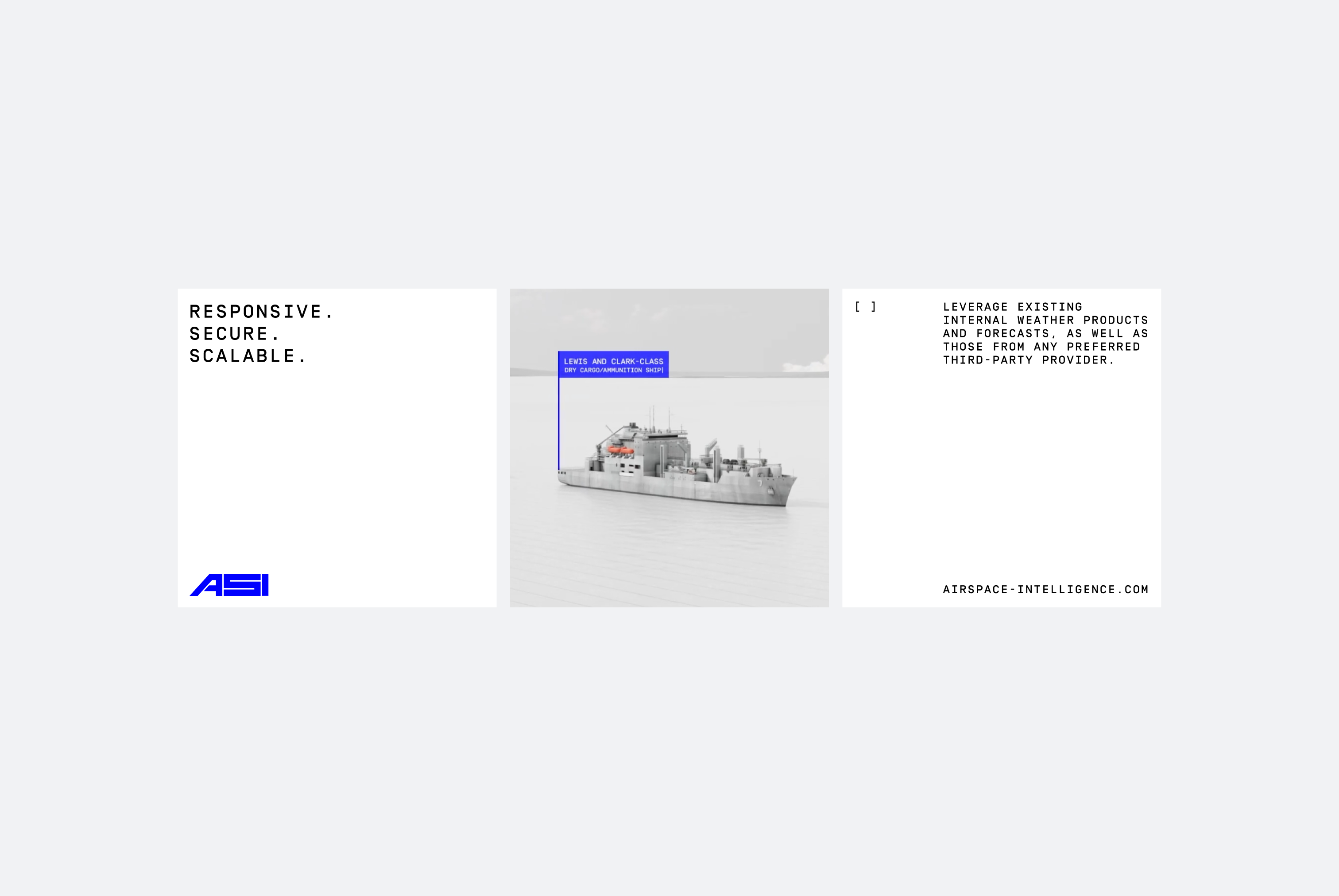
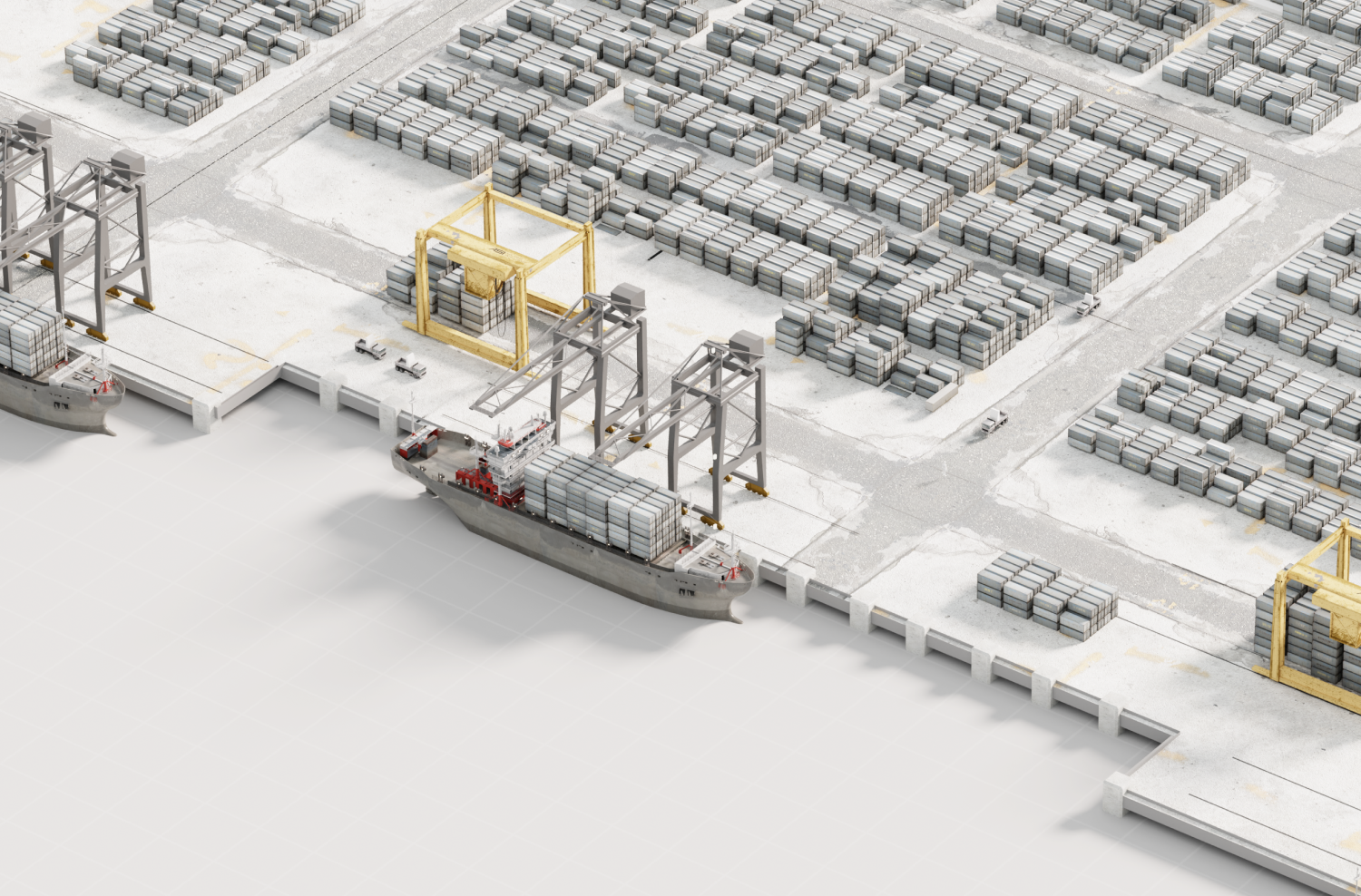
The core challenge wasn't aesthetics. In a category this literal, every visual choice carries weight. Show a real coastline near a sensitive region and it makes a geopolitical statement. Render a specific vehicle and it implies an allegiance. Demonstrating a technology built on predictive intelligence meant building a world precise enough to feel real, but invented enough to mean nothing beyond the work itself.
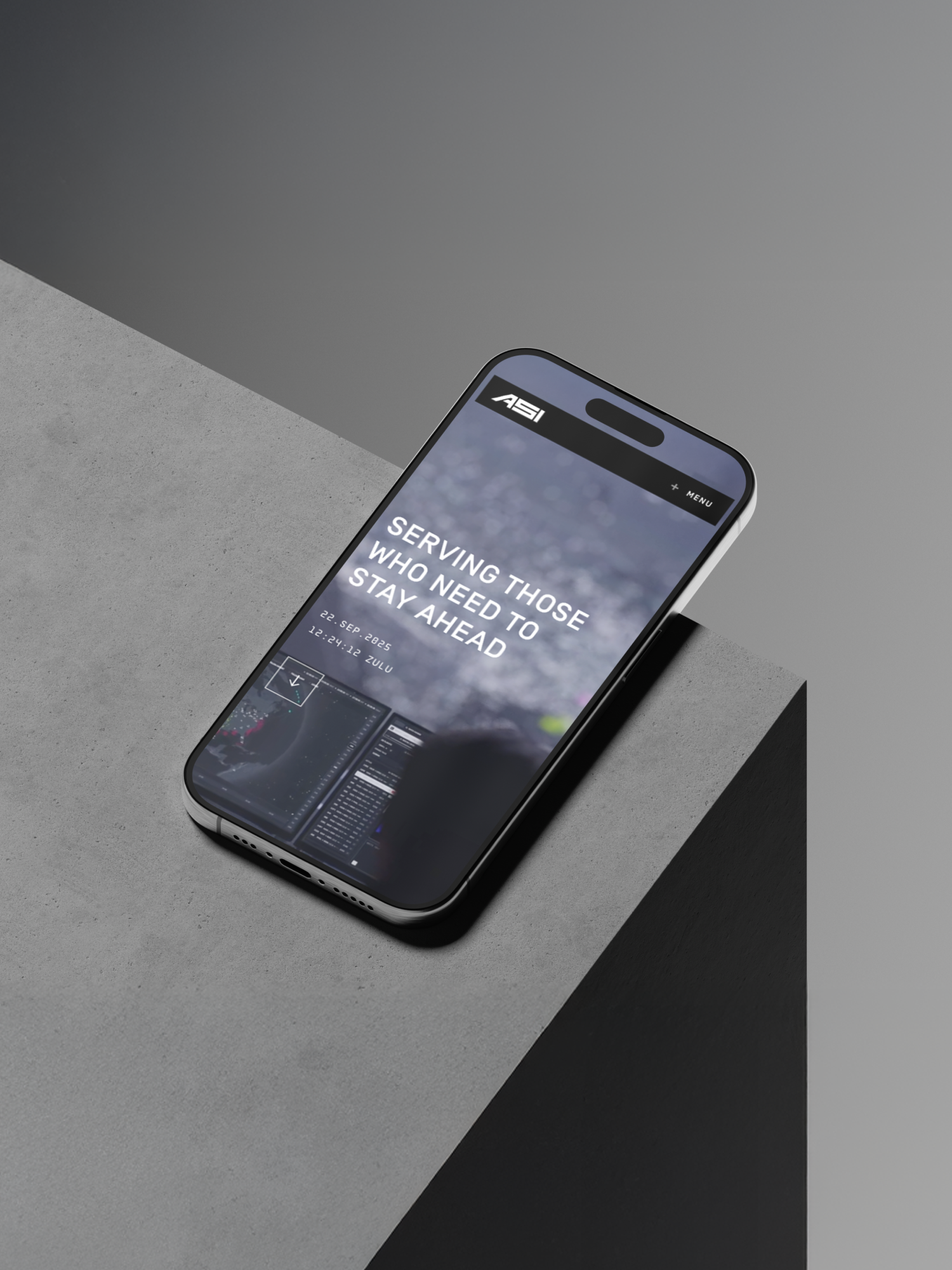
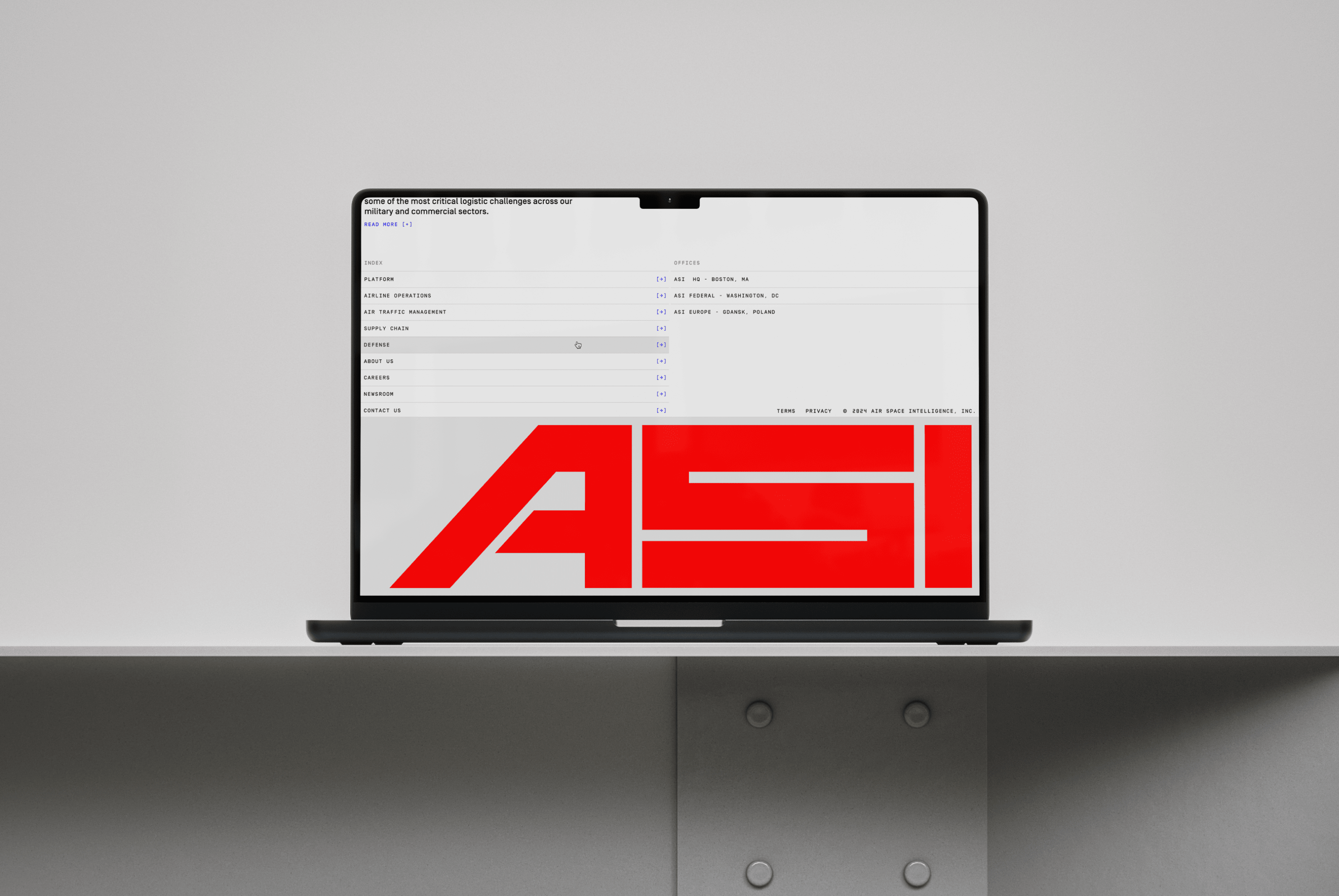
We reworked the logotype alongside a custom mark, moving toward something harder and more angular. The color system shifted from reserved dark mode to high-visibility light, drawing from the palettes of air traffic control and cockpit instrumentation. Pink, green, teal, red, and blue don't come from the tech world at large. They come from the environments where Air Space Intelligence actually operates.
Their existing custom typeface included a monospaced variant, and we leaned into it completely. Set correctly, a well-designed mono reads like an instrument panel, like the readout a decision-maker trusts before committing resources. The choice signals capability without explaining it.
One of the project's central problems was making prescience visible as a concept. The decisionmakers who matter to Air Space Intelligence aren't the people in the tower — they're the executives who need to understand what the platform is capable of before anyone ever logs in. The solution was a timeline of gray frames representing moments in time, with a selected one highlighted and expandable. In motion it communicates exactly what the platform does. Not where things are. Where they're going.
The 3D work was substantial. We pulled real topographic height data from open-source U.S. government and European Space Agency repositories, bringing genuine relief to every globe and map render. We built every scenario animation from scratch, hand-modeling satellites, constructing storm systems frame by frame, painting fictional harbors and coastlines over real geographic textures so every scene reads as plausible without pointing anywhere on the map. The command center render became one of their most-used assets. We built it as a fully modular system, every screen tracked and swappable so their team could drop in any scenario recording and have it sit seamlessly in the scene.
Since the brand and website relaunch, Air Space Intelligence has raised a $34M Series B led by Andreessen Horowitz, secured an accelerating partnership with the U.S. Air Force, and extended their work with Alaska Airlines — where the platform has saved over 1.2 million gallons of fuel and optimized 55% of flights. They now actively manage over 40% of all US air traffic. The platform is proving what the brand intended to claim. Foresight, at scale.
visual identity
creative direction
digital design
AI
Aviation
Software